 Skip to content

“Testosterone booster” is one of the most heavily marketed categories in supplements, and also one of the most misunderstood. The honest picture is more modest than the labels suggest: a handful of ingredients have decent evidence behind them — mostly for correcting a deficiency rather than pushing testosterone above your natural baseline — while others are included more for tradition than proof. Here’s an honest breakdown.
What “Natural Testosterone Booster” Actually Means
No over-the-counter supplement works like anabolic steroids or prescription testosterone therapy — that’s an important distinction to start with. What these products can realistically do is support your body’s own hormone production, primarily by correcting nutrient deficiencies that are known to interfere with normal testosterone levels, or by supporting the general conditions (sleep, stress, recovery) your body needs to produce hormones normally. If your levels are already in a healthy range, most of these ingredients won’t push them meaningfully higher.
Ingredients With Real Evidence Behind Them
Zinc. If you’re deficient in zinc, correcting that deficiency can restore healthy testosterone production — this is genuinely well-supported. If you’re not deficient, extra zinc likely won’t add much on top.
Vitamin D. Similarly, low vitamin D status has been linked to lower testosterone in several studies, and correcting a deficiency may help. Limited sun exposure makes this a common gap worth checking.
Ashwagandha. One of the better-studied “natural” ingredients in this space, with a reasonable number of trials showing modest support for testosterone and stress reduction in men. It’s also one of the more consistently positive results in the category, which is worth noting given how much of this space is thin on evidence.
Magnesium. Involved in hundreds of processes in the body, including hormone regulation, and commonly under-consumed — a sensible inclusion in a well-formulated product.
Ingredients With Weaker or Mixed Evidence
Tribulus terrestris. Widely included in test boosters, but the research is genuinely mixed — some studies show modest benefits for libido, fewer show a meaningful effect on actual testosterone levels. Worth knowing before expecting dramatic results.
Tongkat Ali (Long Jack). Some promising smaller studies, particularly around men with lower baseline testosterone, but the evidence base is still developing compared to zinc, vitamin D, or ashwagandha.
D-Aspartic Acid (DAA). Some early studies showed a short-term bump in testosterone, but more recent, better-designed research has been far less convincing — likely useful for some p
What Actually Moves the Needle More Than Any Supplement
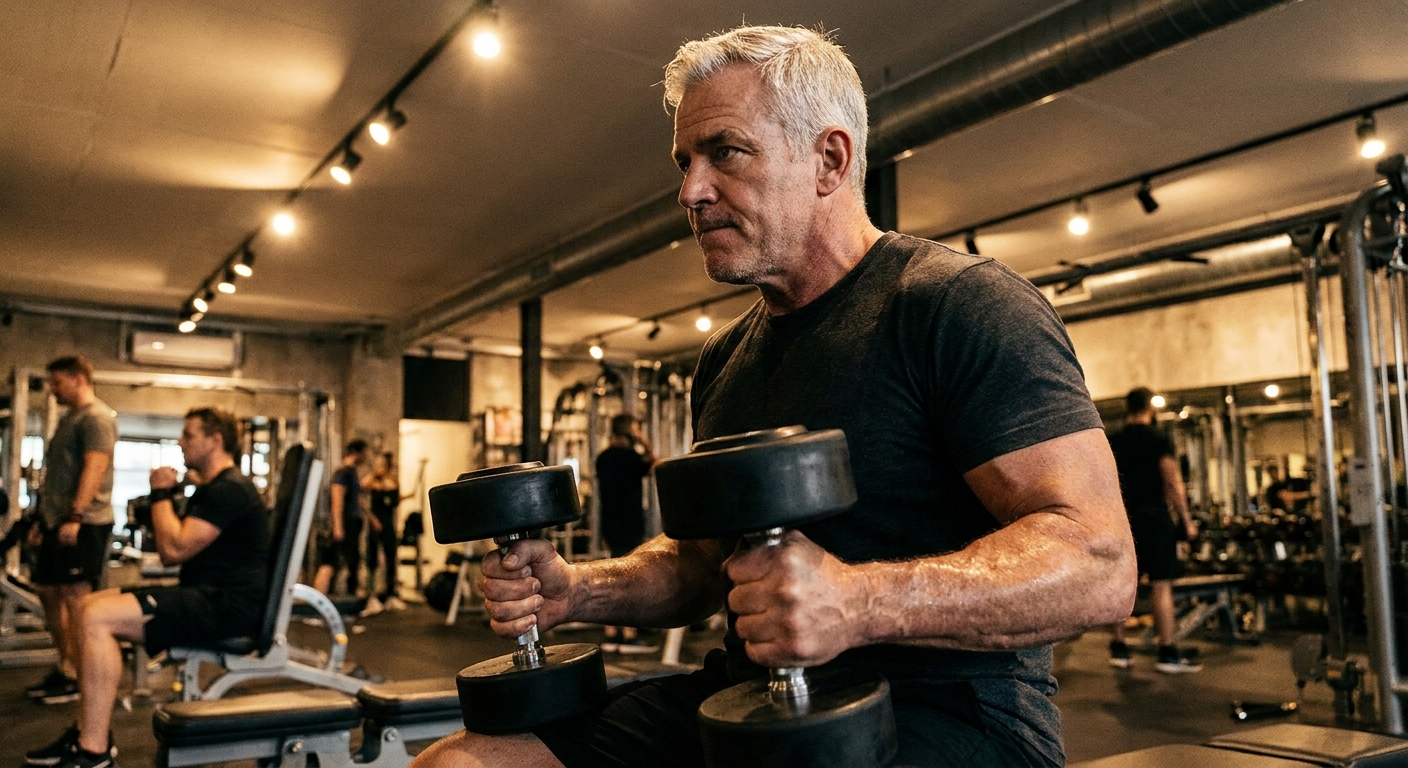
Sleep, body fat, and resistance training have a bigger, more consistently proven impact on natural testosterone levels than any over-the-counter ingredient. Chronic poor sleep and excess body fat are both linked to lower testosterone in research — addressing those fundamentals will likely do more than any product on this list. Supplements are exactly that: a supplement to the basics, not a replacement for them.
When to See a Doctor Instead
If you suspect your testosterone is genuinely low — persistent fatigue, low libido, mood changes, or other symptoms — that’s worth an actual blood test and a conversation with a doctor rather than guessing with supplements. Nothing sold over the counter is a substitute for diagnosing and treating a real hormonal deficiency.
Testosterone Support Options Worth Knowing
Our Testosterone Booster range includes a mix of the evidence-backed basics and more traditional formulas:
- Zinc, magnesium, and B6 combos, like Applied Nutrition’s Zinc, Magnesium & Vitamin B6 With Ashwagandha, cover the ingredients with the strongest evidence in one product.
- ZMA-style formulas, such as AllMax ZMX2 Advanced, are a long-standing, well-known option in this category.
- Tribulus-based, like Nutrex Tribulus 1400, if you want to try the traditional option knowing the evidence is mixed.
- Tongkat Ali, such as Applied Nutrition Tongkat Ali Long Jack, for one of the more promising newer options.
All sourced genuine and through authorized distribution.
Lifestyle Factors That Directly Affect Testosterone
Beyond supplements entirely, a few well-documented lifestyle factors have a measurable effect on natural testosterone levels: chronic sleep deprivation (even a single week of restricted sleep has been shown to meaningfully reduce testosterone in research), excess body fat (particularly visceral fat, which is linked to lower testosterone through several hormonal pathways), and chronic, unmanaged stress (via sustained cortisol elevation, which works against healthy testosterone production). Addressing these three areas often produces a bigger, more reliable change than any product in this category.
How Long Do These Take to Show an Effect?
Unlike a stimulant, none of these ingredients work immediately — most of the research behind zinc, vitamin D, ashwagandha, and similar ingredients measures effects after 8-12 weeks of consistent daily use. If you’re trying a test-support product, give it that kind of runway before judging whether it’s doing anything, and keep the rest of your routine (sleep, training, diet) consistent during that period so you can actually attribute any change to the supplement rather than other factors.
Frequently Asked Questions
Do testosterone boosters actually increase muscle growth? Indirectly, if they’re correcting a genuine deficiency or supporting better sleep and recovery — but they don’t have a direct, steroid-like muscle-building effect. Any muscle growth still comes from training and diet; these products, at best, remove small obstacles getting in the way of that.
Are testosterone boosters safe for young men? Ingredients like zinc, magnesium, and vitamin D are generally considered safe across adult age ranges at standard doses. That said, natural testosterone production is already typically at its lifetime peak in younger men, so the potential benefit from correcting a “deficiency” is less likely to apply unless there’s a specific, identified gap.
Can women take testosterone-support supplements? Ingredients like zinc, magnesium, and ashwagandha aren’t exclusive to male physiology and are found in general health products too — but products specifically marketed and dosed as “testosterone boosters” are typically formulated with men’s use in mind. Women interested in similar ingredients are often better served by a general multivitamin or a specific ingredient (like ashwagandha for stress) rather than a male-targeted test booster.
Is it normal for testosterone to decline with age? Yes — a gradual decline is a normal part of aging for men, typically starting in the 30s. This is different from a clinical deficiency, and normal age-related decline doesn’t necessarily need “treating” with supplements unless it’s causing noticeable symptoms worth discussing with a doctor.
Do test boosters help with libido specifically? Some ingredients in this category (tribulus in particular) have more consistent evidence for libido support than for measurably raising testosterone levels — worth knowing if that’s specifically what you’re looking for versus a hormonal change.
The Bottom Line
Be skeptical of any product promising a dramatic testosterone spike — the honest evidence supports correcting deficiencies (zinc, vitamin D, magnesium) and a small number of specific ingredients (ashwagandha in particular) more than it supports most of what’s marketed aggressively. Combine a well-formulated product with the fundamentals — sleep, training, and a reasonable body composition — and treat anything promising more than that with healthy skepticism.
