 Skip to content
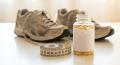
“Fat burner” is a category name that oversells what these products can actually do — none of them burn fat on their own. What they can genuinely do is make the process of being in a calorie deficit slightly easier or more comfortable, through a handful of different mechanisms. Here’s an honest breakdown so you know what you’re actually buying.
The One Rule That Applies to Every Product Below
Fat loss happens through a sustained calorie deficit — burning more energy than you consume, over time, alongside adequate protein to protect muscle. Every product in this category supports that process in some way; none of them replace it. If diet and training aren’t already in place, no supplement here will produce meaningful results on its own.
Thermogenics: The “Classic” Fat Burner
Thermogenic fat burners typically combine caffeine with other stimulant or metabolism-supporting ingredients, aiming to slightly increase energy expenditure and appetite control. The effect is real but modest — think a small percentage boost to calories burned, not a dramatic transformation. They’re most useful for the appetite-suppressing and energy-boosting effect during a calorie deficit, when both hunger and energy naturally dip.
Who it’s for: People who find dieting hardest because of hunger or low energy, and who tolerate stimulants well. Not recommended late in the day, for the same sleep-disruption reasons as stimulant pre-workout.
L-Carnitine: Supporting Fat Utilization
L-Carnitine plays a role in transporting fatty acids into cells to be used for energy. The theory is sound, but real-world evidence for extra L-Carnitine meaningfully accelerating fat loss (beyond what your body already produces) is modest — it’s a reasonable, low-stimulant addition rather than a dramatic fat-loss driver on its own.
Who it’s for: People who want a non-stimulant option, or who are already using a thermogenic and don’t want to stack more caffeine on top.
CLA (Conjugated Linoleic Acid)
CLA has some research behind modest body composition improvements over long-term use, though the effect size in human studies is generally small. It’s a reasonable, low-risk addition if you’re already dialed in on diet and training and want a marginal edge — not a substitute for those fundamentals.
Diuretics (“Water Shed” Products)
These reduce water retention rather than fat — useful for a short-term, visible change (common before a photo shoot or event) but not a fat-loss tool. Worth understanding this distinction clearly so you’re not disappointed when the number drops temporarily and returns once you rehydrate normally.
Berberine: The Newer Addition to This Category
Berberine has gained attention for its res

How to Actually Choose
If hunger and low energy are your biggest dieting obstacles: a thermogenic fat burner addresses both directly.
If you want to avoid stimulants (evening training, caffeine sensitivity, or you’re already using pre-workout): L-Carnitine or CLA are reasonable non-stimulant options.
If you’re interested in the metabolic health angle specifically: berberine is worth a closer look.
If you just want to look leaner for a specific short-term event: a water-shed/diuretic product does that — but be clear that it’s water, not fat.
Fat Loss Options Worth Knowing
Our Fat Loss range covers all of the above:
- Thermogenic: Nutrex Lipo 6 Black Ultra Concentrate (or the Hers version) is one of the most established names in this category.
- L-Carnitine: RedRex L-Carnitine 3500mg or Nutrex L-Carnitine 1000 for a non-stimulant option.
- CLA: Nutrex CLA 1000 or the combined BPI Sports CLA+Carnitine.
- Berberine: Naturebell Berberine Supplement 1,500mg or Applied Nutrition Berberine Capsules 1000mg.
- Water shed: NOW Water Out for short-term, event-specific use.
All genuine, sourced through authorized distribution — a real concern in this category, where “extreme” thermogenic claims on unverified products aren’t always backed by what’s actually inside.
Appetite Suppression: Why It Matters More Than People Expect
Of all the mechanisms covered above, appetite control is arguably the most practically useful for most people trying to lose weight — a calorie deficit is far easier to sustain when hunger isn’t constantly working against you. This is a big part of why thermogenics remain popular despite a fairly modest direct effect on metabolism: the appetite and energy support they provide can make the difference between sticking with a diet plan and abandoning it out of frustration.
Can You Combine Multiple Fat-Loss Products?
Some combinations make sense — L-Carnitine or CLA alongside a thermogenic, for example, since they work through different mechanisms and aren’t redundant with each other. Be cautious about combining multiple stimulant-based thermogenics, though — that’s the combination most likely to lead to excessive caffeine intake, jitteriness, or sleep disruption, since the stimulant content stacks directly.
Realistic Expectations
Across this entire category, the honest expectation is a modest edge, not a dramatic transformation — think slightly easier appetite control, a bit more energy during a deficit, or a small metabolic nudge, rather than “melting fat” as some marketing implies. Combined with consistent training and a well-managed calorie deficit, that modest edge can genuinely help you stay consistent, which over months is what actually drives results.
Frequently Asked Questions
How long should I take a fat burner for? Many people cycle thermogenic fat burners for 8-12 weeks at a time, with a break afterward to manage stimulant tolerance and give the body a rest from the added caffeine load, before restarting if still in a fat-loss phase.
Do fat burners work without exercise? They’ll have minimal effect without at least a calorie deficit in place, and even less without any training to help preserve muscle during that deficit. These products support a fat-loss process already in motion — they don’t start one on their own.
Are fat burners safe to take with coffee? Be mindful of total caffeine intake if you’re already a regular coffee drinker and add a caffeine-containing thermogenic on top — check the label’s caffeine content and be honest about your total daily intake from all sources combined.
Can women take fat burners formulated for men? Many fat burners aren’t gender-specific in their core mechanism, though some products (like the “Hers” formulas) are specifically dosed or formulated with women’s typical body composition and caffeine sensitivity in mind — either can work, it comes down to personal tolerance and preference.
What’s the safest fat-loss supplement if I’m sensitive to stimulants? L-Carnitine and CLA are both non-stimulant options worth starting with, since they don’t carry the jitteriness or sleep-disruption risk that thermogenics do.
The Bottom Line
None of these products replace a calorie deficit and consistent training — they support that process, at the margins, in different ways. Pick the one that addresses your actual biggest obstacle (hunger, energy, stimulant sensitivity, or a short-term event), keep expectations realistic, and let diet and training do the heavy lifting.
